

What Is DPF Cleaning and Why Does Your Diesel Truck Need It?
Diesel truck owners frequently encounter warning lights and performance issues related to their diesel particulate filters, yet many drivers don't fully understand what these components do or why they require regular maintenance. The DPF system represents a critical emissions control technology mandated on modern diesel vehicles to reduce harmful particulate matter released into the atmosphere. Understanding how these filters work, why they become clogged, and what maintenance they require helps diesel owners avoid expensive repairs and keep their vehicles running efficiently. Neglecting DPF maintenance leads to reduced fuel economy, loss of power, potential engine damage, and expensive filter replacements that could have been prevented with proper care. Learning about DPF function and maintenance needs empowers truck owners to protect their investments and maintain the performance and reliability they expect from their diesel vehicles.
Understanding How Diesel Particulate Filters Work
According to Carista, DPF regeneration usually takes between 10 and 20 minutes. Diesel particulate filters capture soot and ash particles from exhaust gases before they exit the tailpipe, trapping these harmful materials in a honeycomb structure made of ceramic or silicon carbide. As exhaust flows through the filter, particulate matter accumulates on the filter walls while cleaned gases pass through and exit the vehicle. Over time, this trapped material builds up and must be either burned off through regeneration or physically removed through a professional DPF cleaning service to restore filter capacity. The filter's ability to trap particles without creating excessive back pressure depends on regular regeneration cycles that burn accumulated soot at high temperatures, converting it to harmless ash that takes much longer to accumulate.
When your diesel particulate filter becomes excessively clogged, your vehicle exhibits several warning signs that indicate the need for attention before serious damage occurs. Dashboard warning lights specifically related to the DPF system illuminate to alert you of problems, while reduced engine power and acceleration indicate the filter is restricting exhaust flow. Increased fuel consumption results from the engine working harder to push exhaust through the clogged filter, and you may notice the engine running rougher than normal. Black smoke from the exhaust, unusual smells, or the vehicle entering a reduced-power mode all signal that your DPF requires professional DPF cleaning service to restore proper function before the blockage causes more serious mechanical problems or complete filter failure.
Understanding Active vs Passive Regeneration
Modern diesel vehicles employ two types of regeneration to burn off accumulated soot and maintain filter capacity without requiring frequent professional cleaning. Passive regeneration occurs naturally during highway driving when exhaust temperatures reach levels high enough to burn trapped soot automatically without driver intervention or special procedures. Active regeneration happens when the vehicle's computer system determines the filter needs cleaning and injects extra fuel to raise exhaust temperatures deliberately, burning off accumulated particulate matter. Vehicles driven primarily in city conditions with frequent stops and starts may not reach temperatures necessary for passive regeneration, requiring more frequent active regeneration cycles or professional DPF cleaning service when the filter becomes too clogged for the vehicle's regeneration systems to clean effectively.
Diesel trucks used primarily for short trips around town face increased DPF clogging because these driving patterns don't allow adequate time for regeneration cycles to complete successfully. Regeneration requires sustained highway speeds for 10 to 20 minutes, which short urban trips simply don't provide, causing repeated interrupted regeneration attempts. Each incomplete regeneration leaves soot in the filter while consuming extra fuel for the regeneration attempt that didn't fully succeed. Vehicles operating in these conditions require more frequent professional cleaning because their normal driving patterns prevent the natural regeneration process from maintaining filter capacity, leading to accelerated soot accumulation that eventually overwhelms the system's ability to self-clean through regeneration.
The Professional Cleaning Process Explained
Professional DPF cleaning service involves removing the filter from the vehicle and using specialized equipment to eliminate accumulated ash and soot that regeneration cannot remove. Technicians typically use a combination of compressed air, specialized cleaning solutions, and thermal cleaning processes to restore filters to near-original capacity and flow characteristics. The cleaning process also includes thorough inspection of the filter for damage, cracks, or degradation that might affect its function or indicate the need for replacement. After cleaning, filters are tested to verify proper flow and filtration efficiency before reinstallation, ensuring they'll perform correctly and provide extended service rather than requiring another cleaning or replacement in the near future.
Cleaning frequency depends on driving conditions, vehicle usage patterns, engine condition, and fuel quality, with some vehicles requiring attention every 100,000 miles while others need service more frequently. Trucks operating in dusty conditions, making frequent short trips, or experiencing oil consumption issues accumulate particulate matter faster than vehicles driven primarily on highways with well-maintained engines. Following manufacturer service intervals provides baseline guidance, but monitoring your vehicle's performance and regeneration frequency helps identify when professional DPF cleaning service becomes necessary before problems develop. Dashboard warning lights indicate when cleaning can no longer be delayed, but proactive maintenance before warnings appear prevents the reduced performance and potential damage that occur when filters become severely clogged.
Costs of Cleaning vs Replacement
Professional cleaning costs a fraction of filter replacement expenses, making regular maintenance far more economical than neglecting filters until replacement becomes necessary. Replacement filters can cost several thousand dollars depending on vehicle make and model, while a professional DPF cleaning service typically costs a few hundred dollars and restores filters to functional condition. Filters that receive regular cleaning often last the vehicle's lifetime, while neglected filters fail prematurely and require expensive replacement that could have been avoided. Understanding these cost differences motivates proactive maintenance that protects your investment through relatively affordable cleaning rather than waiting until damage occurs that necessitates complete filter replacement at many times the cost of proper maintenance.
Continuing to drive with a severely clogged diesel particulate filter causes multiple problems that extend beyond just the filter itself and can damage expensive engine components. Excessive back pressure from the clogged filter reduces engine power, increases fuel consumption dramatically, and can cause turbocharger damage that adds thousands of dollars to repair costs. Oil dilution can occur when extra fuel injected for regeneration washes past piston rings into the crankcase, degrading lubrication and accelerating engine wear. Eventually, the vehicle may enter a reduced-power mode or refuse to start entirely, leaving you stranded and requiring towing in addition to the professional DPF cleaning service that should have been performed earlier when symptoms first appeared.
Preventive Measures to Extend Filter Life
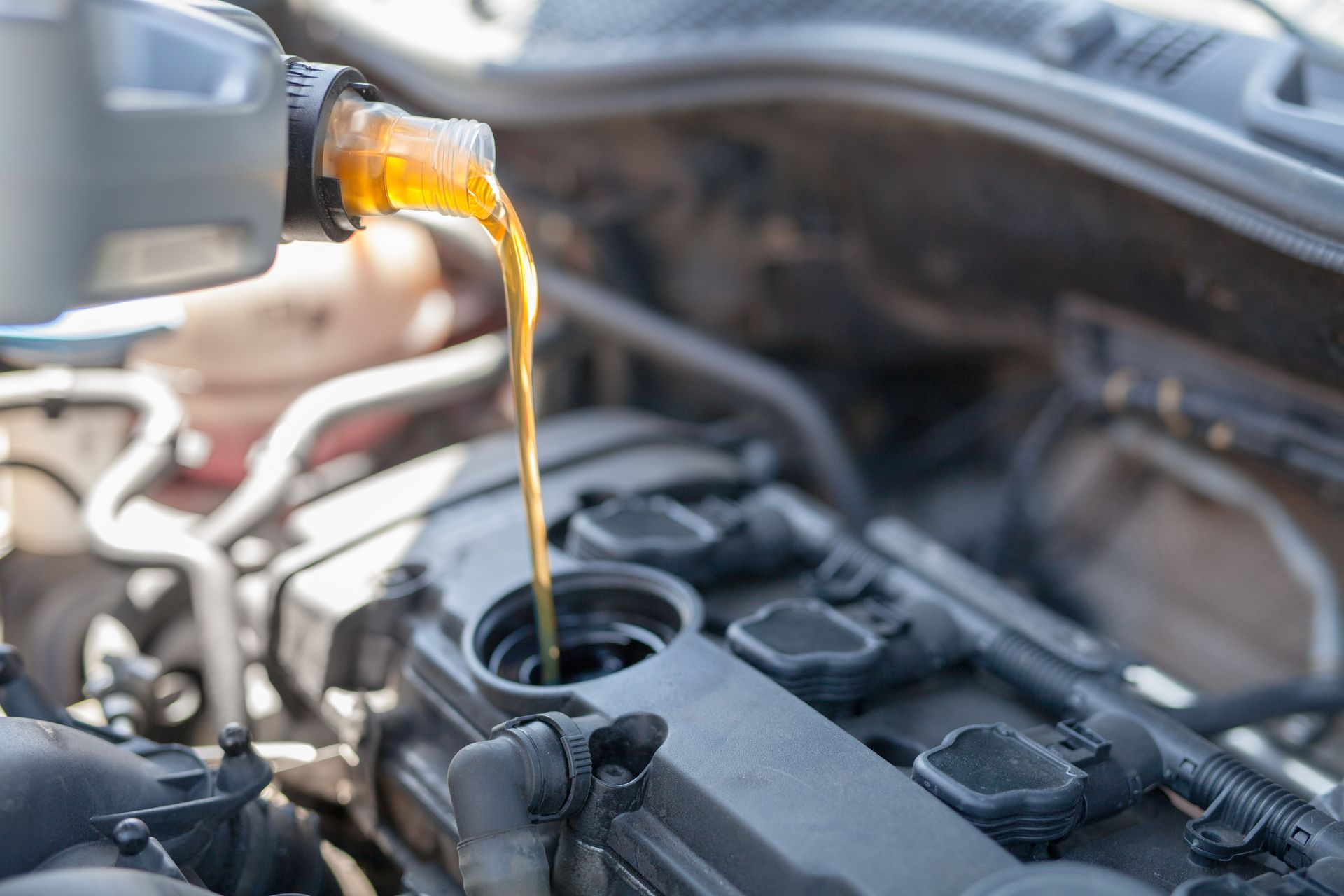
Several practices help maximize the time between required cleanings and ensure your diesel particulate filter operates efficiently throughout its service life. Using high-quality diesel fuel from reputable sources reduces ash content that accumulates in the filter and cannot be removed through regeneration. Maintaining your engine properly with timely oil changes using appropriate low-ash diesel oil prevents excessive oil consumption that contributes to filter clogging. Ensuring regular highway driving when possible allows passive regeneration to occur naturally, while promptly addressing engine problems like oil consumption or fuel system issues prevents accelerating filter contamination that necessitates more frequent professional DPF cleaning service than would otherwise be required.
Understanding diesel particulate filter function and maintenance requirements helps truck owners protect their investments and avoid the expensive repairs that result from neglect. Regular attention to DPF health through monitoring regeneration frequency, addressing warning lights promptly, and scheduling professional cleaning before severe problems develop maintains vehicle performance and prevents costly failures. The relatively modest investment in periodic cleaning delivers enormous returns through preserved engine life, maintained fuel economy, and avoided replacement costs that far exceed proper maintenance expenses. Whether you need DPF filter services and cleaning, filter cleaning, diagnostic service trucks, or diesel mechanic services, Custom DPF Solutions provides expert care backed by free estimates, state-of-the-art equipment, and has been a fleet owner for 27 years. For more information, contact us today!

















Share On: