

How Clean Emission Systems Improve Diesel Truck Performance
The adoption of clean emission systems in diesel trucks has significantly reshaped the landscape of automotive engineering. With increasing environmental concerns worldwide, these advancements are crucial both for the industry and for the well-being of our planet. Diesel trucks, known for their robustness, often face scrutiny for their emissions, and thus, integrating clean technologies is paramount. Discussing these systems reveals not only their environmental advantage but also the mechanical upgrades they bring, enhancing the performance of diesel engines. Ultimately, clean emission systems are not just a regulatory requirement but a pivotal tool in ensuring sustainable and efficient trucking operations.
The Fundamentals of Diesel Truck Emission Systems
The evolution of diesel truck emission systems has been driven by technological advancement and stricter regulatory demands. At the heart of this evolution is the need to reduce environmental pollution while maintaining engine performance. Early emission systems were primarily focused on managing carbon emissions, but modern systems have expanded their scope significantly. This evolution was catalyzed by recognizing the harmful health impacts of untreated diesel emissions. Consequently, the development has laid a pathway for modern, sophisticated emission management strategies essential to diesel technology.
Key components of modern diesel emission systems include diesel particulate filters (DPF) and selective catalytic reduction (SCR) systems. These components are essential for capturing and neutralizing harmful emissions such as nitrogen oxides (NOx) and particulate matter (PM). The incorporation of exhaust gas recirculation (EGR) further optimizes the emission reduction process by lowering combustion temperatures. These technological staples are designed to comply with the rigorous standards set forth by environmental regulations. They underscore the industry's commitment to cleaner and more efficient diesel engine operation.
Regulations have played a pivotal role in shaping the landscape of diesel emission technologies. By establishing emission limits, regulations drive innovation and adoption of cleaner emission systems across the globe. The European Union and the United States, among others, have enforced stringent standards, leading to globally harmonized emission protocols. These policies have opened doors to new technologies, fostering collaboration among automotive engineers and manufacturers. The persistent push for lower emissions strengthens environmental protection efforts and guides future technological advancements.
Environmental Impact Reduction Through Emission Systems
The reduction of nitrogen oxide (NOx) emissions is one of the primary objectives of modern diesel emission systems. NOx is a major pollutant that contributes to smog and acid rain, necessitating its effective management. Technologies like SCR have proven effective in breaking down these oxides into harmless nitrogen and water. The SCR technology utilizes a urea-based solution called AdBlue, which helps in reducing NOx emissions significantly. This management of NOx is essential for meeting emissions standards and reducing environmental health threats.
Reducing particulate matter (PM) emissions is another significant achievement of modern diesel emission systems. PM consists of fine particles that severely affect air quality and human health. Diesel particulate filters (DPF) remove these particles from the exhaust gases, trapping them within a specialized filter. Periodically, these filters undergo a process known as regeneration to burn off accumulated particles, thereby keeping emissions low. This innovation not only meets regulatory requirements but also improves air quality in urban areas, where diesel engine usage is prevalent.
AdBlue plays a crucial role in emission reduction strategies, particularly within SCR systems. It is a vital component that participates in the chemical reaction to convert NOx into non-polluting substances. AdBlue's role as a catalyst in this reaction enhances efficiency by allowing engines to maintain higher combustion temperatures and optimize performance. The use of AdBlue and similar agents demonstrates the industry's commitment to balancing environmental concerns with performance demands. Through innovations like these, modern diesel trucks are much cleaner compared to older emission technologies.
Enhancements in Fuel Efficiency and Economy
Emission system technologies have bolstered fuel efficiency through energy recovery and usage optimization. By fine-tuning combustion processes and managing exhaust emissions, these systems enable engines to operate more efficiently. Components like the EGR system help in reducing fuel consumption by controlling the combustion temperature. This not only results in lower emissions but also contributes to improved fuel economy. Through technological enhancements, diesel trucks are becoming more fuel-efficient, which is beneficial both economically and ecologically.
The relationship between emission systems and fuel economy is intrinsic and evident. Systems that reduce pollutants also inadvertently optimize the burn rate of diesel fuel, leading to less wastage. Efficient combustion mechanisms have been introduced to ensure diesel trucks consume fuel optimally. Ultimately, these advancements help in cutting down operational costs for companies relying on diesel fleets. The integration of clean emission systems has redefined diesel-powered truck efficiency, offering a sustainable solution to long-term environmental and economic concerns.
Financial benefits of improved fuel efficiency due to emission systems are significant. Diesel fuel costs represent a substantial part of logistics and trucking expenses. Improved fuel efficiency directly translates to savings on fuel costs, which accumulate over time to create meaningful economic advantages. Furthermore, this improvement is increasingly encouraged by government incentives, which aim to motivate companies to adopt eco-friendly technologies. These financial perks underscore the tangible advantages of investing in clean emission systems beyond mere compliance with environmental standards.
Maintenance and Longevity of Diesel Engines
Emission systems are crucial for maintaining the health of diesel engines and ensuring their longevity. By managing the emissions and controlling engine temperature, these systems prevent overheating and excessive wear. Regular maintenance and clean emission systems significantly reduce engine stress, contributing to prolonged engine life. The modern diesel engine's durability is largely attributed to its comprehensive emission management system. This lifecycle extension offers significant economic advantages by reducing the need for premature engine replacements.
Clean emission technologies play a pivotal role in prolonging engine life through better performance management. Advanced technologies reduce the accumulation of harmful deposits within the engine components, ensuring smoother operation. This mitigation of deposits helps prevent common engine problems that arise from poor emission control. Ultimately, a well-maintained emission system fosters a healthier engine lifecycle, leading to enhanced reliability and reduced maintenance costs. The positive impact on engine longevity underscores the critical importance of advanced emission systems.
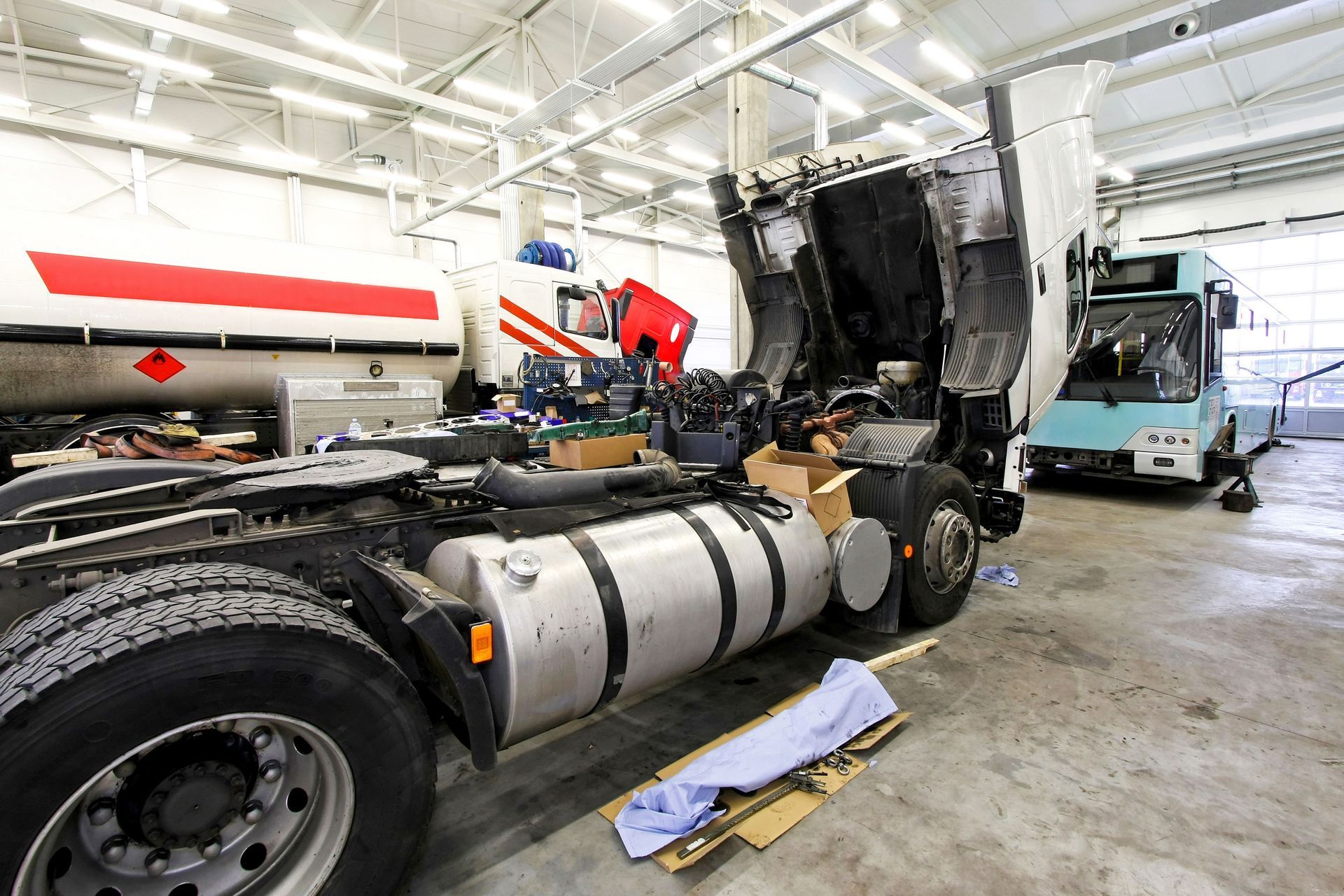
Regular maintenance of emission systems is vital to sustaining their functionality and prolonging engine life. This includes routine checks of key components such as the DPF and SCR systems to ensure they operate optimally. Additionally, regular servicing can help identify and troubleshoot common issues before they escalate. Professional engine servicing is recommended to maintain the integrity of emission systems and uphold engine performance. With over 30,258 diesel engine mechanics employed in the United States, according to Zippia, a skilled workforce is crucial to maintaining these complex systems.
Technological Innovations in Emission Systems
The future of diesel emission technologies is promising, with continuous advancements leading to cleaner and more efficient systems. Innovative materials and designs are being integrated to reduce emissions further and enhance performance. Research and development are focused on creating solutions that are environmentally friendly without compromising on engine power and efficacy. The industry is keen to explore possibilities beyond current technologies, seeking groundbreaking innovations that can redefine diesel engines. These futuristic developments aim to reach near-zero emissions, aligning with global environmental aspirations.
Smart emission systems and IoT integration are at the forefront of technological advancements in emissions management. By leveraging IoT, real-time monitoring and diagnostics help optimize emission control processes and identify potential faults. These smart systems lead to proactive maintenance, minimizing downtime and reducing the risk of costly repairs. Analytics derived from IoT systems enable continuous improvement of emission systems, leading to smarter, more efficient diesel engines. The synergy of technology with traditional diesel mechanics epitomizes a modern approach to emissions management.
New developments in diesel engine materials and design contribute significantly to reducing emissions. Lightweight yet sturdy materials are being employed to enhance fuel efficiency and performance. Additionally, cutting-edge design principles focus on aerodynamics and improved airflow, aiding efficient combustion and emissions control. These advancements collectively elevate the operability and sustainability of diesel engines, aligning with broader environmental targets. The progressive nature of material science and design will continue to push the boundaries of what diesel engines can achieve.
Clean emission systems have become an integral part of diesel truck engines, offering numerous benefits that extend beyond compliance with environmental regulations. By reducing harmful nitrogen oxides and particulate matter emissions, these systems play a critical role in minimizing environmental impact while maximizing fuel efficiency. Not only do they improve the mechanical performance and longevity of diesel engines, but they also offer significant economic benefits through fuel cost savings and reduced maintenance. Furthermore, these advancements have far-reaching social implications, contributing to public health improvements and steering the industry toward sustainable practices. As technology continues to advance, the integration and innovation of clean emission systems will remain a cornerstone for the future of industrial transportation. For
DPF cleaning services you can count on, contact Custom DPF Solutions today.






















Share On: